

Better support changes everything.
A seating system should do more than fill a wheelchair. It should protect skin, support posture and create the stable foundation needed to move, reach, drive and participate.
SEATING & POSITIONING
MORE THAN A CUSHION
A complete system for posture, protection and participation.
The right seating system works with the wheelchair—not separately from it. We consider how the pelvis, trunk, head and extremities interact so each component supports safe, functional movement.
Our goal: create a stable base that supports comfort, pressure management, access to mobility controls and the activities that matter to you. Final recommendations are based on an in-person clinical and equipment evaluation.
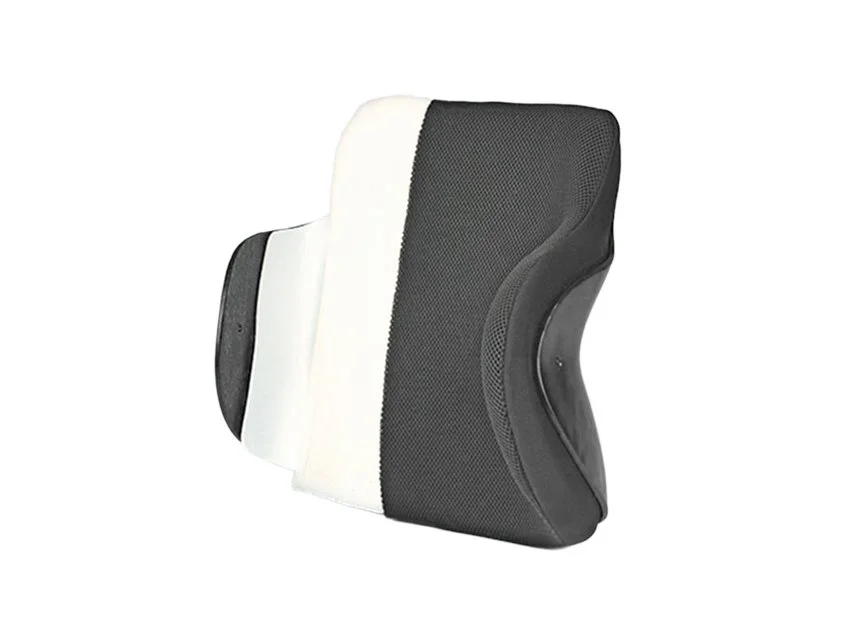
WHAT SEATING CAN ADDRESS
Designed around the whole person
Seating needs can change with diagnosis, growth, posture, skin history, tone, function and time spent in the wheelchair.
Pelvic stability
Build a balanced foundation while accommodating or supporting pelvic alignment.
Skin protection
Distribute load and reduce exposure to pressure and shear at vulnerable areas.
Trunk support
Support balance, breathing, visual orientation and upper-extremity function.
Functional access
Position the body for propulsion, driving, communication, transfers and daily tasks.
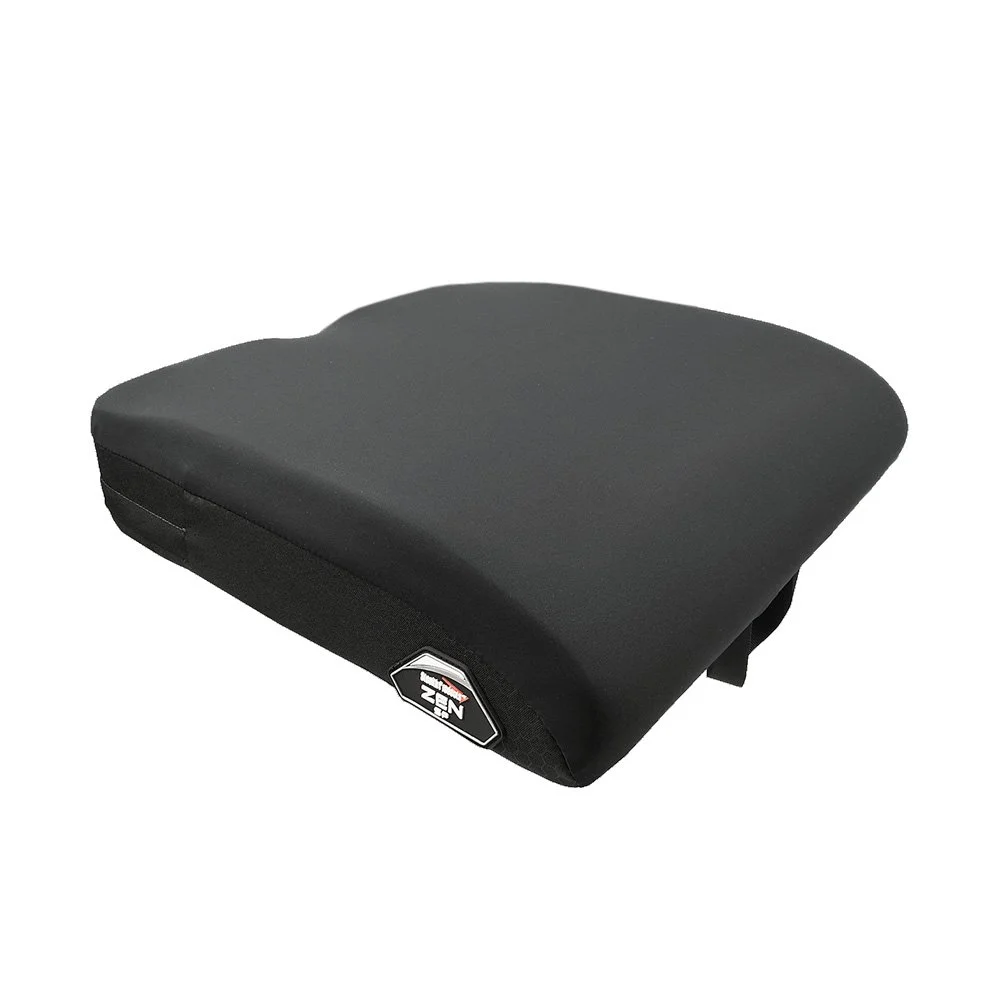
CONFIGURABLE BACK SUPPORT
Sunrise Medical JAY® J3® Back
Multiple widths, heights and contour depths
Lightweight shell with adjustable mounting hardware
Configurations for varying pelvic and thoracic support needs
REPRESENTATIVE PRODUCTS
Examples we may consider
These products illustrate different clinical approaches. They are not interchangeable, and no specific item is recommended until your evaluation is complete.
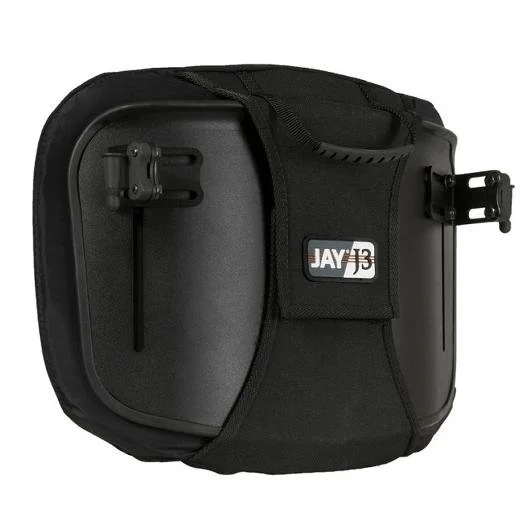
SKIN-PROTECTION CUSHION
Stealth Products® Zen SP
Low-profile, lightweight cushion design
Soft foam topper intended for immersion and comfort
Contoured base with coccygeal and sacral relief
Example information: Stealth Products
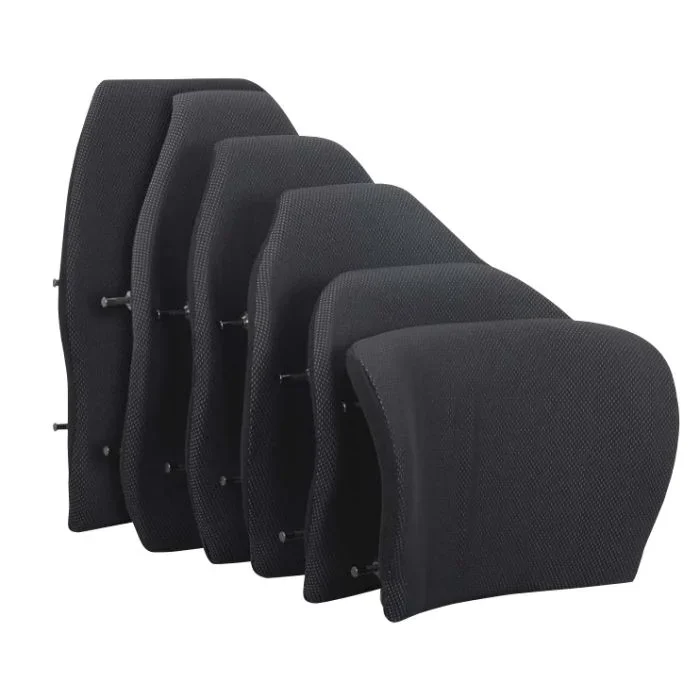
TILT/RECLINE BACK SUPPORT
Invacare® Matrx® Elite TR
Designed for manual or power tilt and tilt/recline applications
Foam construction intended to support comfort and immersion
Extended support across the shoulder area
Example information: Invacare
THE CLINICAL PICTURE
What we look at during your evaluation
A mat assessment and real-world conversation help the team understand what the body needs—and what the equipment must make possible.
Pelvic position and symmetryRange of motion and toneBalance and trunk controlPropulsion or drive accessGrowth and future change
Flexible vs. fixed postureSensation and skin historyTransfers and caregivingHome, work and transportDaily sitting tolerance
We coordinate with the individual, caregiver, therapist and prescribing provider as appropriate. The wheelchair base, power functions and seating components are considered as one integrated system.
THE MOMENTUM EXPERIENCE
From assessment to final fit
A clear, collaborative process keeps clinical goals connected to every equipment choice.
Drive-Wheel Position
Mid-, front- or rear-wheel drive influences turning, tracking and handling.
Battery & Charging
Charging access, routine use and caregiver support are reviewed before delivery.
Arm & Foot Supports
Adjustability can support transfers, posture, joystick access and alignment.
Seat Size
Appropriate width and depth support comfort, stability and safe use.
Seat Height
Seat height affects transfers, table access, reach and lower-extremity positioning.
Transportation
Vehicle access, securement requirements, size and weight should be considered.
THE MOMENTUM PROCESS
Dedicated support through every step.
01.
Referral & Benefits
02.
ATP & Therapy Evaluation
03.
Equipment Trial
04.
Documentation
05.
Authorization & Order
06.
Delivery & Fitting
07.
Ongoing Support
Frequently Asked Questions. What To Expect.
-
Comfort matters, but a seating system also affects pelvic stability, posture, skin loading, mobility access and function. A clinical evaluation helps balance these factors and identify the correct dimensions and setup.
-
Products are designed around different clinical objectives. Some prioritize pressure redistribution, while others add contours or materials to help manage posture; many combine goals. Your clinical findings determine which approach is appropriate.
-
Custom seating may be explored when off-the-shelf components cannot adequately accommodate or support complex orthopedic asymmetries, posture, skin risk or functional needs. It requires detailed assessment and documentation.
-
No product can guarantee prevention. Seating is one part of a broader skin-protection plan that may include pressure-relief routines, skin inspection, repositioning, nutrition and clinical follow-up. Contact a healthcare professional promptly about any skin concern.
-
Yes. Final installation and fitting are essential. We review alignment, component placement, function and basic care, and coordinate follow-up when additional adjustment is needed.
Let's build a better foundation.
Start with a seating and positioning evaluation tailored to your body and your day.