

Power-Assist Devices Momentum When You Need It.
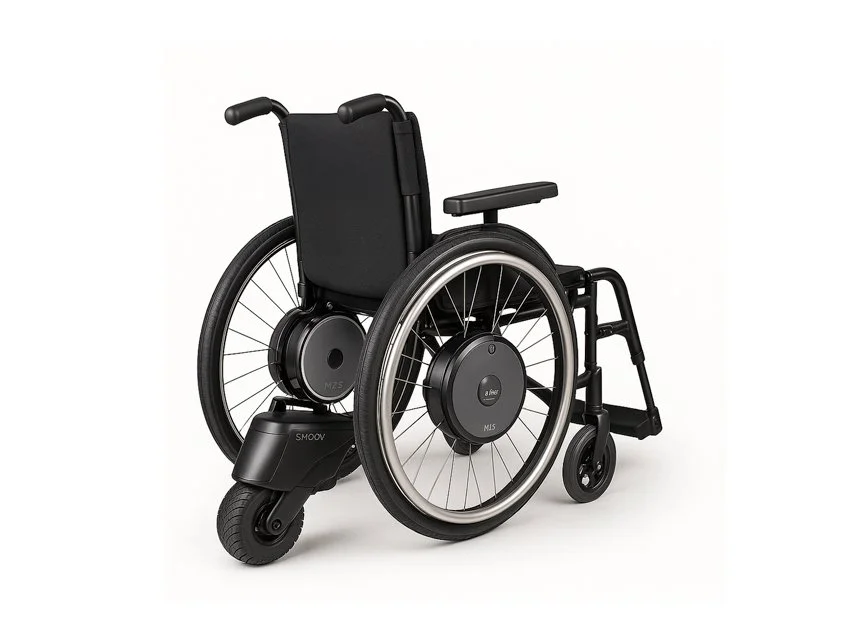
Power-assisted mobility can reduce propulsion demands while preserving the flexibility, maneuverability and portability of a manual wheelchair.
MORE DISTANCE. LESS EFFORT. MORE POSSIBILITY.
UNDERSTANDING POWER ASSIST
Manual mobility—with help when it matters.
A power-assist device adds motorized support to a compatible manual wheelchair. Depending on the system, assistance may be delivered through powered wheels or a compact drive unit attached to the wheelchair frame. The goal is not to replace manual mobility. It is to reduce the physical demand of propulsion while maintaining the access, transportability and responsiveness of a manual chair.
Compatibility and safe use must be evaluated. The wheelchair, mounting hardware, user abilities, environment and transportation needs all affect the recommendation.
POTENTIAL BENEFITS
Help protect energy, endurance and upper-extremity function.
Benefits depend on the individual, device type, wheelchair setup and environment.
Reduced Propulsion Effort
Motorized assistance can reduce the force and repetition required to move the wheelchair.
Shoulder Preservation
Reducing repetitive propulsion demands may support an upper-extremity preservation strategy.
Fatigue Management
Assistance may help individuals conserve energy for work, school, family and daily activities.
Manual Chair Access
The user can retain the maneuverability and familiar handling of a manual wheelchair.
Inclines & Distance
Power assist may support travel over longer distances and appropriate ramps or inclines.
Transportability
Many systems are removable, allowing the wheelchair and device to be transported separately.
WHO MAY BENEFIT?
When independent propulsion is possible—but physically demanding.
Recommendations are based on the complete evaluation, home environment, functional needs and applicable payer criteria.
Upper-extremity pain, weakness or limited enduranceDifficulty managing ramps, slopes or long distancesAsymmetrical propulsion or reduced strength on one side
History or risk of repetitive-use injuryFatigue related to neurological or systemic conditionsNeed to preserve manual-chair access and transportability
A power-assist device is not appropriate for every manual wheelchair user. Safe steering, stopping, judgment and device operation must be evaluated.
FEATURED EXAMPLES
Explore power-assist technologies.
Products shown are examples. Availability, compatibility and funding vary.
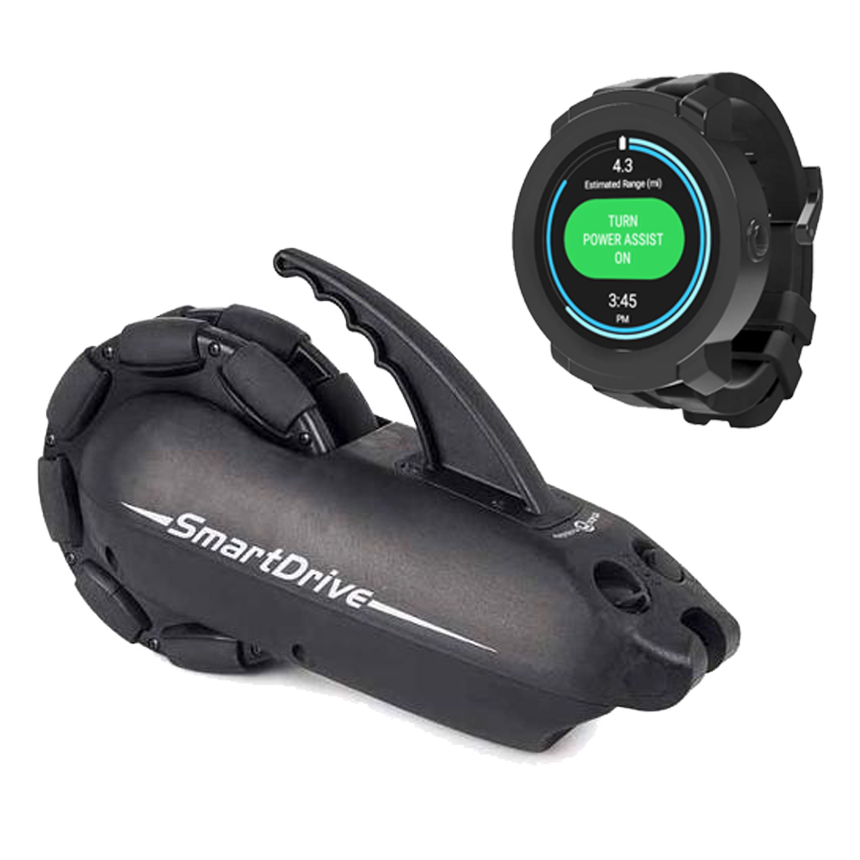
SmartDrive MX2+
A compact rear-mounted system that provides powered assistance while allowing the wheelchair user to steer with the handrims.
Compact rear-mounted drive →
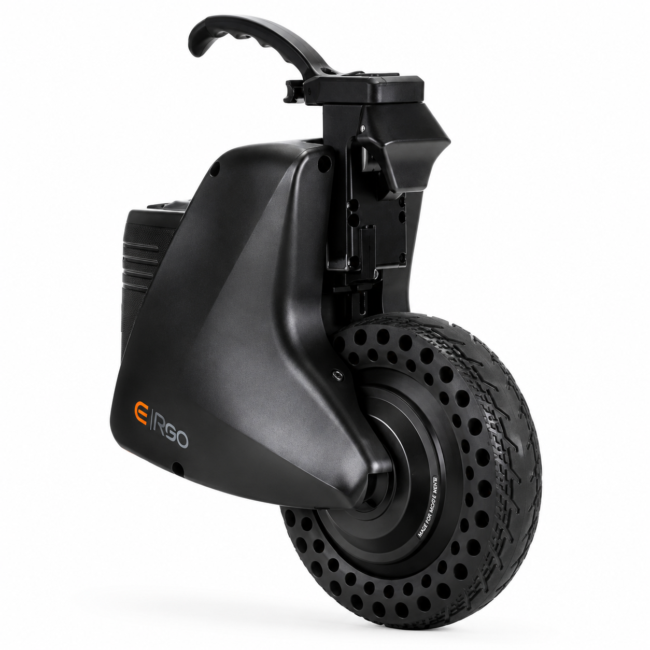
QUICKIE / Empulse R90
A powered add-on option designed to provide assistance while maintaining a compact manual-wheelchair footprint.
Powered add-on support →
Alber e-motion
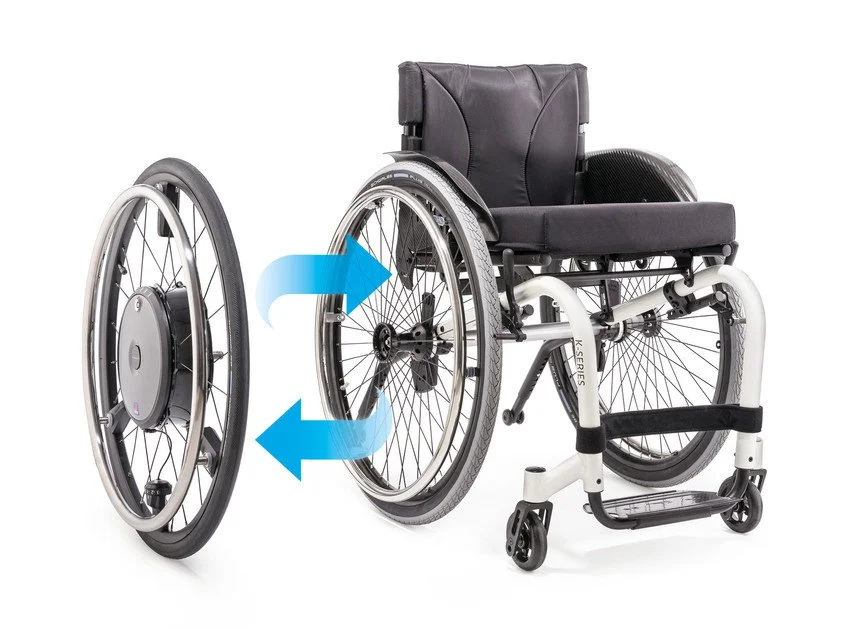
Power-assisted rear wheels use push-rim input to supplement the user's propulsion effort while maintaining a familiar manual-wheelchair experience.
Push-rim activated assistance →
UNDERSTANDING CAPPED RENTAL
13
continuous rental months under Medicare capped-rental rules, when applicable
Medicare generally pays covered capped-rental DME monthly for no more than 13 continuous months. After the 13th paid month, ownership transfers to the beneficiary.
The billing classification of the specific device must be verified. Medicaid and commercial insurance plans may use different rental, purchase, authorization and ownership rules. Coverage is not guaranteed.
EVALUATION CONSIDERATIONS
The device must work with the person—and the wheelchair.
Wheelchair frame and mounting compatibility
Hand function and control access
Steering, stopping and judgment
Home and community terrain
Device weight, removal and vehicle loading
Battery charging and travel needs
TYPES OF POWER ASSIST
Different technology for different mobility goals.
Push-Assist Wheels
Motors integrated into the rear wheels respond to the user's push and amplify propulsion effort.
Rear-Mounted Drive Units
A compact motor attaches behind or beneath the chair to provide powered forward assistance.
Powered Add-On Systems
Specialty add-ons provide powered mobility while preserving a compatible manual wheelchair platform.
CONFIGURATION CONSIDERATIONS
The details still matter.
Drive-Wheel Position
Mid-, front- or rear-wheel drive influences turning, tracking and handling.
Battery & Charging
Charging access, routine use and caregiver support are reviewed before delivery.
Arm & Foot Supports
Adjustability can support transfers, posture, joystick access and alignment.
Seat Size
Appropriate width and depth support comfort, stability and safe use.
Seat Height
Seat height affects transfers, table access, reach and lower-extremity positioning.
Transportation
Vehicle access, securement requirements, size and weight should be considered.
THE MOMENTUM PROCESS
Dedicated support through every step.
01.
Referral & Benefits
02.
ATP & Therapy Evaluation
03.
Equipment Trial
04.
Documentation
05.
Authorization & Order
06.
Delivery & Fitting
07.
Ongoing Support
Frequently Asked Questions. What To Expect.
-
No. Power assist adds motorized support to a compatible manual wheelchair while the user retains manual-chair steering and access.
-
Compatibility depends on the wheelchair frame, dimensions, axle, mounting location, configuration and manufacturer requirements.
-
Under Medicare, covered capped-rental DME is generally paid monthly for up to 13 continuous months, after which ownership transfers. The specific device classification and the rules of other insurers must be verified.
-
Many systems are designed to be removable and transportable, but battery, airline, vehicle-loading and securement requirements should be reviewed before travel.
-
Momentum installs or verifies the mounting system, adjusts the controls, provides charging and safe-use education, and confirms that the user can operate the system appropriately.
We help navigate the details.
Power-assist devices may be covered when medical-necessity, equipment-compatibility and payer requirements are satisfied. Our team helps coordinate benefits verification, documentation, authorization and applicable rental requirements.